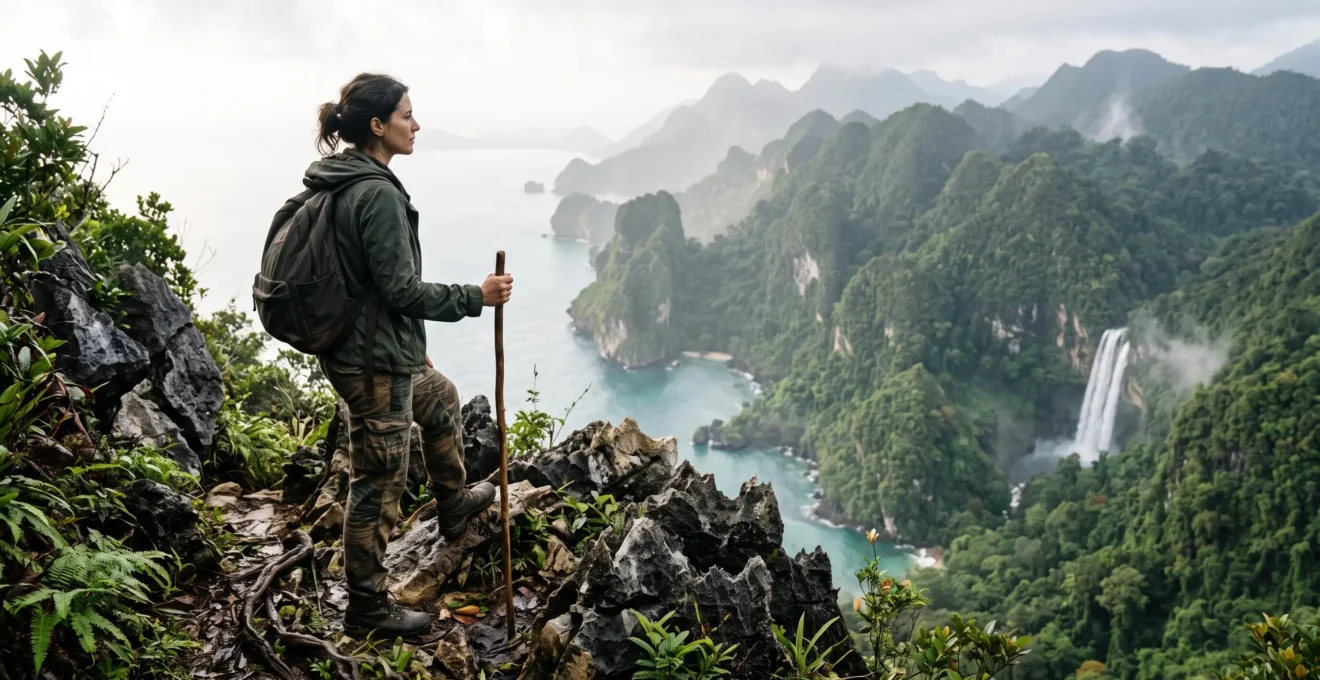
Most visitors think Samaná’s adventure is limited to whale watching and a quick trip to El Limón. The real thrill, however, is hidden in its challenging karstic geology.
- Its unique, rugged topography enables true canyoning and multi-day kayak expeditions that are simply impossible on the flat coasts of places like Punta Cana.
- Choosing the right local operator and timing your visit for the ‘shoulder season’ is far more critical for safety and value than picking the activity itself.
Recommendation: Skip the generic tour catalogues. The key to unlocking Samaná’s best-kept secrets is learning to read its terrain and vetting your guides like a pro.
So, you’ve heard about Samaná. You know about the humpback whales—they’re magnificent, a true force of nature. But as an adventure coordinator on this peninsula, I see couples like you arrive every week, buzzing with energy and a question in their eyes: « What else have you got? » You’re looking for that pulse-quickening experience, the story you’ll tell back home that doesn’t feature in every travel brochure. Most guides will point you towards a horseback ride to El Limón waterfall or a standard boat trip into Los Haitises National Park. These are beautiful, but they are the surface-level Samaná.
The real secret isn’t in *what* you do, but in understanding *why* Samaná is a geological playground built for genuine adventure. This isn’t the flat, manicured coastline of the eastern resorts. This is a land of dramatic, jungle-clad karstic mountains plunging into the sea, of hidden mangrove river systems with their own tidal schedules, and of deep, challenging underwater pinnacles. Forget the pre-packaged « thrills. » The true adventure lies in engaging with this wild topography, in planning a multi-day kayak journey through ancient waterways, or rappelling down a series of cascades that are far more than just a single photo-op. This guide is your insider briefing. We’re going beyond the whales to uncover the expeditions that require a bit more grit, a bit more planning, and deliver a hundred times the reward.
This article breaks down how to find and plan these authentic adventures. We’ll cover everything from the unique geology that makes Samaná an adventurer’s paradise to the practicalities of booking expeditions and vetting your guides, ensuring your experience is both thrilling and safe.
Summary: Beyond the Brochure: Your Samaná Adventure Blueprint
- Why Is Samaná Better for Adventure Seekers Than Punta Cana’s Flat Coastline?
- How to Book Multi-Day Kayak Expeditions Through Samaná’s Mangrove Systems?
- Which Samaná Canyoning Route Suits Intermediate Adventurers With No Technical Experience?
- The Safety Red Flag That 40% of Samaná Adventure Operators Ignore
- When Can You Experience Samaná Adventures at Half the Peak Season Price?
- Los Haitises Coastal Mangrove Trails or Inland Forest Hikes: Which Is Easier?
- How to Verify Bayahibe Dive Shops Have Certified Cave Instructors?
- How Fit Do You Need to Be for Los Haitises Hiking Trails?
Why Is Samaná Better for Adventure Seekers Than Punta Cana’s Flat Coastline?
The first thing you need to understand about Samaná is the ground beneath your feet. While much of the Dominican Republic’s tourist development, particularly in Punta Cana, is built on flat, ancient coral limestone plains, Samaná is geologically distinct. It’s a peninsula dominated by a dramatic, folded mountain range covered in lush rainforest. This isn’t just a pretty backdrop; it’s the very engine of adventure. This is a landscape of karstic topography—a type of terrain formed from the dissolution of soluble rocks like limestone, creating sinkholes, underground streams, and steep, jagged formations.
This geological makeup is what allows for activities that are physically impossible in the east. Think verticality: canyoning, cascading, and rock climbing. The mountains create a network of rivers and waterfalls that carve through the rock, forming natural water parks for those willing to gear up. The coastline isn’t a long, uninterrupted stretch of sand; it’s a series of hidden coves, dramatic cliffs, and secluded beaches, accessible only by boat or a challenging hike. This contrast is the heart of Samaná’s appeal.
As the image above illustrates, you have two completely different worlds. On one side, the flat, predictable coastline perfect for relaxed sunbathing. On the other, the rugged, untamed karstic hills that promise discovery and challenge. For the adrenaline seeker, there’s no contest. You don’t come to Samaná to lie flat; you come here to go vertical and explore its complex, three-dimensional environment.
How to Book Multi-Day Kayak Expeditions Through Samaná’s Mangrove Systems?
Forget a simple one-hour paddle. The real kayak adventure in Samaná lies in a multi-day expedition through Los Haitises National Park, home to one of the Caribbean’s most significant ecosystems. We’re talking about navigating a mangrove system spanning nearly 100 square kilometers, a labyrinth of quiet, brackish channels that snake between towering rock formations (mogotes) and lead to hidden caves. This isn’t a casual paddle; it’s a logistical challenge that requires planning, a knowledgeable guide, and respect for nature’s clock.
Booking a true expedition means moving beyond the large tour operators that do the standard 90-minute « cave and back » trip. You need to find smaller, specialized outfits or independent guides who understand tidal logistics. The water levels in the mangroves can change dramatically, opening and closing off routes. A good guide knows the tides by heart and can plan an itinerary that has you flowing with the current, not fighting against it, allowing you to cover more ground and reach more secluded spots. The goal is to overnight, perhaps camping on a permitted cay or staying in a small guesthouse in a remote fishing village like Sabana de la Mar, using it as a base for deeper exploration.
Case Study: A Guided Mangrove-to-Cave Crossing
A traveler’s account of a trip with a skilled local guide, José, highlights the difference expertise makes. The journey through the mangroves and across the Bahía de San Lorenzo to Cueva La Arena was praised not just for the destination but for the guide’s deep knowledge of the ecosystem, its wildlife, and his ability to « lead them safely to and from the cave. » This demonstrates that the real value lies in a guide who can navigate the natural challenges and enrich the journey, turning a simple paddle into a cultural and ecological immersion.
Finding the right guide is paramount. Word-of-mouth in Las Galeras or Las Terrenas is a good start, but before you commit to anything, you need to ask the right questions. A true professional will be able to talk at length about their emergency plans, guide-to-guest ratios for overnight trips, and how they track the tides. This is where you separate the pros from the pretenders.
Your Action Plan: Vetting Your Kayak Expedition Guide
- Confirm Language and Expertise: Ensure the guide is fluent in English and can discuss the area’s natural and cultural history, not just point the way.
- Assess Booking and Guide Availability: For multi-day trips, book well in advance. Specialized guides are a limited resource, unlike the day-trip operators. Check the booking flexibility, but don’t leave it to the last minute.
- Get Cancellation Terms in Writing: Reputable operators will have clear policies. Expect terms like free cancellation up to three days prior, with no refunds for later cancellations or no-shows.
- Probe on Safety and Logistics: Ask directly about their emergency plan, how they track tides for the route, and what the guide-to-guest ratio is for any overnight leg. Their confidence in answering is your best indicator of their professionalism.
- Request a Gear Check: Ask what kind of kayaks, paddles, and safety equipment (like personal flotation devices and first-aid kits) they provide. The quality of their gear reflects the quality of their operation.
Which Samaná Canyoning Route Suits Intermediate Adventurers With No Technical Experience?
When people talk about El Limón, they usually mean the 45-minute hike or horseback ride to look at the waterfall. But for you, the real experience is approaching it from above. Canyoning (or « cascading » as it’s known locally) is the ultimate way to experience this natural wonder, and the El Limón river offers a perfect route for fit beginners or intermediates who have no prior technical rope experience. You’re not just visiting the waterfall; you’re descending the entire river system it belongs to, a series of smaller jumps, slides, and rappels that culminate in the final, breathtaking drop.
The main event is, of course, the final rappel alongside a 170-foot cascade that anchors the entry-level canyoning route. But the journey to get there is the heart of the adventure. You’ll spend a few hours navigating the jungle river, scrambling over rocks, and letting the current guide you through natural chutes. The guides provide all the technical gear—helmets, harnesses, and ropes—and give you a full safety briefing. Your job is to bring your nerve and a willingness to get soaked.
This is an accessible adventure, but it’s not a theme park ride. The key is choosing a reputable operator. A professional outfit will be upfront about the physical demands and will never downplay the risks. Their tone should be one of serious fun. They should immediately provide you with protective equipment like helmets, knee pads, and elbow pads. Ask them about their guides’ certifications for water-based activities and first-aid training. An established operation will run trips consistently, not just when they have enough people, which signals they have dedicated, properly trained staff on hand. This is your best litmus test for safety and professionalism.
The Safety Red Flag That 40% of Samaná Adventure Operators Ignore
Let’s talk frankly. As an adventure hub, Samaná has dozens of people offering « tours. » The problem is, the barrier to entry can be low. Someone with a boat or a few old harnesses can call themselves an operator, and as an insider, I’d estimate a significant number—perhaps as many as 40%—cut corners on the single most important thing: proactive safety culture. This isn’t just about having the gear; it’s about the mindset. The biggest red flag is an operator who can’t—or won’t—give you clear, confident answers about their safety protocols, guide certification, and equipment maintenance.
When you’re inquiring about a dive, a canyoning trip, or a kayak expedition, ask direct questions: « What is your guide-to-client ratio? », « Can I see your PADI certification? », « When was this rope last inspected? », « What’s your emergency procedure if someone gets injured in the mangroves? » A professional operator will welcome these questions. They’ll be proud to show you their well-maintained gear and talk you through their procedures. An amateur or a corner-cutter will get defensive, evasive, or say, « Don’t worry, it’s perfectly safe. » That’s your signal to walk away. Vagueness is a massive red flag.
Think of it like this frayed rope. The danger isn’t always a catastrophic, obvious failure. It’s the small, ignored signs of wear and tear, the « it’ll be fine for one more trip » attitude that leads to accidents. You have to be the one to inspect the metaphorical rope before you clip in.
Benchmark for Excellence: A Safety-Conscious Dive Operator
Look at a small, professional outfit like Las Galeras Divers. Their public messaging sets the standard you should look for. They explicitly state they are a « small family dive center offering a personalized service. » Crucially, they specify a « maximum of 6 people per group » to ensure safety and that all dives are « always accompanied by PADI certified instructors and qualified divemasters. » This is the kind of clear, verifiable information that builds trust. If an operator you’re considering can’t provide this level of detail, they don’t meet the benchmark.
When Can You Experience Samaná Adventures at Half the Peak Season Price?
For an adventure-focused couple, timing your trip to Samaná is a strategic decision that balances weather, crowds, and cost. While the peak season (December to April) offers the driest, most stable weather, it also comes with the highest prices and biggest crowds on popular trails and dive sites. The low season (July to September) has the lowest rates but carries the highest risk of rain and hurricanes, which can wash out canyoning trips and create unsafe sea conditions. The real sweet spot for adventurers is the shoulder season.
The shoulder seasons—specifically May to June and October to November—offer the best of both worlds. The winter crowds have departed, and the summer storm risk hasn’t fully arrived. You’ll find significantly lower prices on accommodation and tours, often with discounts of 15 to 25% during the low season compared to peak rates. More importantly for adventurers, you’ll have the trails, rivers, and dive sites almost to yourself. This means smaller group sizes, more flexibility with guides, and a more intimate connection with the environment.
As the Cigar Country Editorial Team insightfully notes:
For travelers who want luxury experiences without the peak season price tag, the shoulder season is arguably the smartest time to book.
– Cigar Country Editorial Team, When is the best time to visit the Dominican Republic?, Cigar Country
The trade-off is a slightly higher chance of an afternoon rain shower, but these are often brief and can be a welcome refreshment in the jungle humidity. For the value and solitude it provides, the shoulder season is the insider’s choice. The following table breaks down your options, synthesized from data on Dominican Republic travel seasons.
| Season Window | Months | Crowd Level | Price Level | Weather Trade-off |
|---|---|---|---|---|
| Shoulder Season | May–June & October–November | Low to moderate | Moderate savings | Balanced, fewer storms |
| Low Season | July–September | Lowest | Lowest rates | Highest rain/hurricane risk |
| Peak Season | December–April | Highest | Highest rates | Driest, most stable weather |
Los Haitises Coastal Mangrove Trails or Inland Forest Hikes: Which Is Easier?
When you plan a hike in Los Haitises, « easier » is the wrong word. The better question is, « Which type of challenge suits my body better? » The park offers two fundamentally different hiking experiences: the coastal trails that skirt the bay and the inland trails that cut through the humid forest. Neither involves massive elevation gain like a mountain climb, but each presents a unique physical test.
The coastal trails often involve walking on the karstic limestone itself, a terrain known locally as « diente de perro » (dog’s tooth). As the name implies, the footing is sharp, jagged, and uneven, requiring excellent balance and strong ankles. The reward is constant, stunning sea views and incredible birdwatching opportunities as you move between mangrove clusters and rocky outcrops. As one kayaker noted after emerging from the mangroves, the « karst limestone coast » is an amazing part of the journey in itself. This route is best for those who may have sensitive knees (due to minimal climbing) but are confident on technical terrain.
The inland forest trails, by contrast, test your cardio endurance and tolerance for humidity. The terrain is mostly soil and mud, which can be extremely slippery after a rain shower. You’ll face short, steep scrambles up and down the small hills (mogotes) in a very humid, close environment. Your reward is a deep immersion in the jungle, the chance to spot different flora and fauna, and access to hidden caves with Taino petroglyphs that are inaccessible from the coast. This route is better for those with strong cardio who don’t mind getting muddy and sweaty.
| Trail Type | Terrain Challenge | Signature Reward | Best Suited For |
|---|---|---|---|
| Coastal Mangrove Trail | Sharp limestone footing, minimal elevation change | Birdwatching and dramatic sea views | Strong ankles, sensitive knees |
| Inland Forest Trail | Mud, humidity, steep sections | Immersive jungle feel and hidden caves | Strong cardio endurance, comfortable getting muddy |
How to Verify Bayahibe Dive Shops Have Certified Cave Instructors?
While many divers head south to Bayahibe for its famous inland cave systems, asking the same question in Samaná is missing the point. Samaná’s underwater world is a different beast entirely, and for the advanced diver, it offers a more thrilling and unpredictable challenge. As the DiveJourney editorial team puts it, this is a place for true adventure diving.
This is not a tank-on-your-back shore-diving destination. The best underwater days are weather-led, boat-led, and more adventurous, with conditions ranging from easy snorkel mornings to surge, current, and blue-water drop-offs on advanced scuba sites.
– DiveJourney Editorial Team, Samaná and Las Galeras Diving Guide, DiveJourney
Instead of looking for cave instructors, the real question for an adventurer in Samaná should be: « Who can take me to The Tower? » Located off the coast of Cabo Cabrón near Las Galeras, this is Samaná’s signature dive site. It’s a massive, dramatic offshore pinnacle dropping to 55 meters, a structure that feels like an underwater cathedral. It’s a deep, multi-level dive that demands respect for conditions and a competent guide.
This isn’t a dive for beginners. It’s a boat-led trip where conditions can change quickly. But for those with Advanced Open Water certification or higher, it’s an unforgettable experience that offers a sense of exploration that a well-trodden cave route simply can’t match. Here, the thrill comes from the depth, the complex structure of the pinnacle, and the potential for encountering large pelagic species in the deep blue water.
Case Study: A Dive on ‘The Tower’ Pinnacle
One diver’s account of exploring ‘The Tower’ at Cabo Cabrón perfectly captures its appeal. They descended to 21 meters, noting the pinnacle’s « dramatically shaped » structure with « all kinds of stalagmites, overhangs and deep ridges. » They experienced great visibility and only a mild current, allowing them to explore the crevices for hidden creatures. This highlights the site’s primary draw: it’s not about squeezing through tight spaces, but about exploring a vast, complex, and wild underwater mountain.
Key Takeaways
- Geology is Destiny: Samaná’s rugged karstic terrain is the source of its unique adventures, offering verticality and complexity you won’t find on flatter coastlines.
- Vet Your Guide, Not Just the Activity: The difference between a tourist trap and a true expedition lies in the guide’s expertise, especially concerning safety and local logistics like tides.
- Timing is Everything: The shoulder seasons (May-June & Oct-Nov) offer the best combination of low prices, fewer crowds, and manageable weather for serious adventurers.
How Fit Do You Need to Be for Los Haitises Hiking Trails?
This is one of the most common questions I get, and the answer isn’t about raw athletic ability. You don’t need to be a marathon runner, but you do need a solid baseline of functional fitness. The primary challenges on the inland trails are not distance, but heat, humidity, and balance. Most standard guided treks involve a roughly 3-hour hike through humid forest terrain, often broken up by stops at caves or viewpoints.
A good self-test before you book a full-day trek is to take a 90-minute walk on a local beach in the middle of the day. This will give you a realistic gauge of your tolerance for the Dominican heat and humidity. Can you handle it comfortably, or are you completely drained? Secondly, the terrain is often muddy and uneven, with exposed roots and rocks. Your agility and balance will be tested more than your cardiovascular strength. If you can handle the beach test and are steady on your feet, you’re likely prepared for the standard trails.
Remember that the landscape is defined by its 30-meter-high rock formations, which means you should expect some short, steep, and humid scrambles rather than long, sustained climbs. If you have any doubts about your fitness, it’s far better to opt for a boat-based tour that visits the caves and keys from the water. It’s still a fantastic way to see the park, and you’ll avoid putting yourself in an uncomfortable or unsafe situation. The goal is to enjoy the incredible nature, not to endure a forced march.
Frequently Asked Questions About Samaná Adventures
What are the different ways to reach El Limón waterfall?
There are three main ways to experience El Limón: the common routes by foot or on horseback, and the more exclusive and thrilling option of canyoning down the river system to the falls.
Do I need to be very fit to do the hike?
A minimum level of fitness is recommended for any of the hikes. The main challenge often comes from the heat and humidity rather than the distance itself, so good heat tolerance is more important than being able to run a long distance.
How long does the on-foot route to El Limón take?
If you opt for the standard hiking trail, the round trip to the main waterfall and back typically takes about 3 hours at a moderate pace.
Is the terrain in Los Haitises physically demanding?
The main challenge is agility and heat tolerance rather than pure strength or distance. The park features 30-meter (98-foot) high rock formations and dense, humid vegetation, so you should be prepared for slippery footing and short, steep scrambles.
What wildlife might distract you from the physical effort in Los Haitises?
The park is a birdwatcher’s paradise. You can easily spot the endangered Ridgway’s Hawk, the Hispaniolan Piculet, woodpeckers, and hummingbirds, as well as pelicans, frigate birds, and herons over the landscape, which can make the physical effort much more rewarding.
Now that you have the blueprint, the next step is to match these adventures to your own travel style and comfort level. The real magic of Samaná lies in its versatility, offering everything from a challenging multi-day expedition to a thrilling but accessible afternoon of cascading. To put these plans into action, start by researching small, highly-rated local operators in Las Terrenas or Las Galeras that specialize in the specific activities that excite you most.